
I’ve embarrassed myself with terrible gift-giving more times than I care to admit. Spent $200 on something I thought was amazing, only to watch it collect dust for months. Meanwhile, a $30 candle my wife uses daily gets more appreciation than the expensive handbag that seemed like a home run.
Took me years to figure out that value has nothing to do with price tags. The gifts women actually appreciate solve real problems, fit naturally into daily routines, or create genuine emotional connections. That’s it. No amount of money compensates for gifts that miss the mark completely.
My sister-in-law still talks about the $15 reading light I gave her three years ago. Uses it every single night. Meanwhile, I can’t remember what expensive jewelry I gave her the year before because it’s buried in a drawer somewhere. Thoughtful value beats impressive price every time.
Quality Over Quantity Every Time
I used to buy multiple smaller gifts thinking more items meant better gifting. Completely wrong approach. Women would rather receive one excellent item they’ll use constantly than five mediocre things that clutter their space.
My wife keeps maybe 20% of the gifts she receives annually. The rest gets donated or regifted. The keepers share one trait – they’re high quality items that serve specific purposes in her life. A great water bottle she uses daily beats five decorative items that sit on shelves.
Quality means durability and thoughtfulness in design. Cheap materials fall apart quickly and feel like afterthoughts. Well-made items last years and show you put actual thought into the selection process.
Consider brands known for specific excellence rather than generic options. A quality leather wallet develops character over time. Cheap alternatives crack and peel within months. The difference is obvious to the recipient and affects how they perceive your thoughtfulness.
Items That Solve Actual Problems
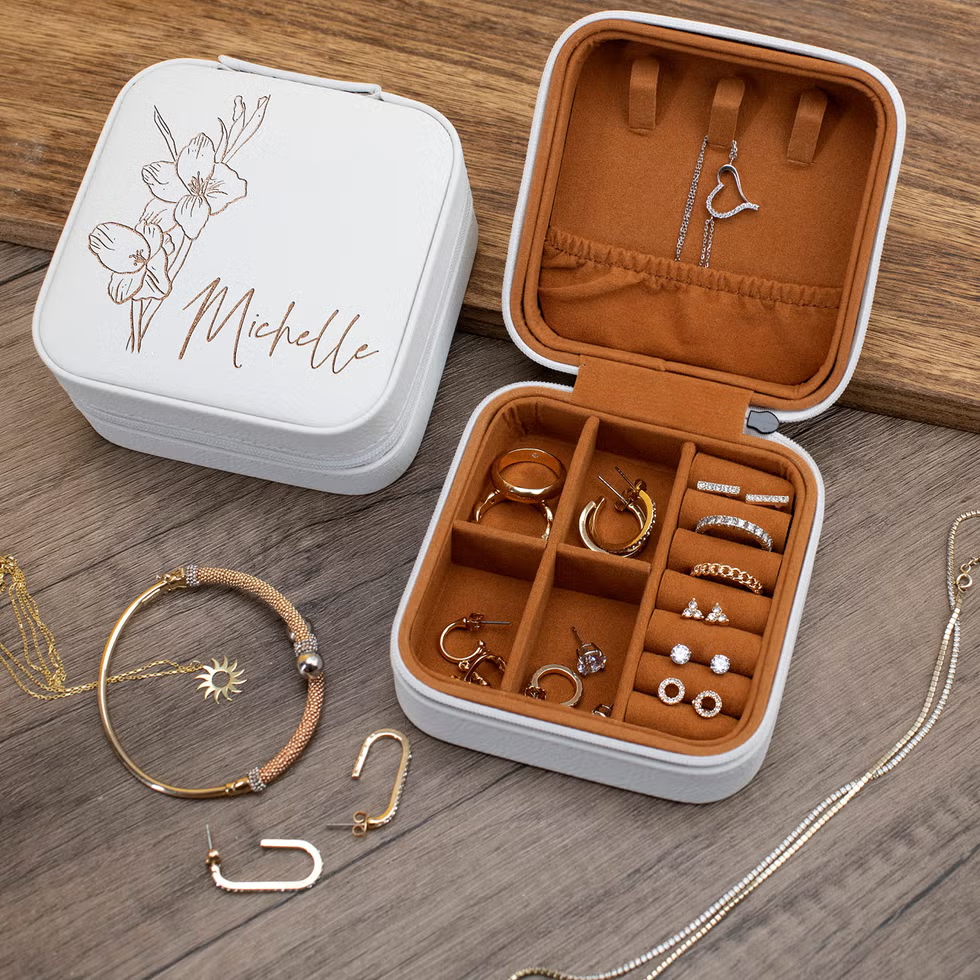
The best gifts I’ve given solved problems I’d noticed but the recipient hadn’t explicitly mentioned. My wife struggled with tangled necklaces. Bought her a jewelry organizer with individual compartments. She uses it daily and has mentioned multiple times how much easier mornings became.
Pay attention to small frustrations throughout the year. She mentions her coffee gets cold too fast? Insulated travel mug solves that. Struggles finding keys? Smart key finder eliminates daily searches. These practical solutions demonstrate you actually listen and care.
Problem-solving gifts feel personal because they address specific situations in someone’s life. Generic gifts could go to anyone. Targeted solutions show you understand her routines and want to make life easier.
When browsing gifts for her, think about daily routines and current pain points rather than what looks impressive in store displays.
Experience-Based Value
Physical gifts aren’t the only option. Some of my most successful gifts created experiences rather than adding items to closets. Cooking class for two, spa day, concert tickets – these create memories instead of clutter.
My mom still talks about the pottery class I signed her up for two years ago. Made several pieces she displays proudly and discovered a hobby she continues pursuing. Total cost was maybe $120, but the ongoing value far exceeded that initial investment.
Experience gifts work especially well for women who have everything they need materially. You can’t buy another scarf for someone who owns thirty scarves. But you can create new experiences they wouldn’t have pursued independently.
Consider experiences that align with existing interests or introduce new ones gently. Don’t force a skydiving experience on someone who fears heights. Match the experience to personality and comfort level.
Consumables That Justify Premium Quality
Consumable gifts provide value without creating long-term storage obligations. High-end coffee, specialty teas, gourmet chocolates, or luxury bath products get used and appreciated without adding permanent items to homes.
I buy my sister fancy coffee beans quarterly. She loves good coffee but won’t splurge on premium beans herself. The gift lets her enjoy quality she wouldn’t normally purchase while avoiding clutter from physical items.
Skincare products, specialty foods, or artisan goods make excellent gifts when you choose quality over quantity. One amazing bottle of olive oil beats three mediocre options. The superior product creates genuine enjoyment during use.
Subscription boxes for consumables extend the gift beyond a single moment. Monthly deliveries of tea, coffee, or snacks provide ongoing reminders of your thoughtfulness throughout the year.
Sentimental Value Without Cheese
Personal touches add value without requiring expensive items. Photo books documenting shared memories, framed pictures from meaningful moments, or handwritten letters accompanying simple gifts demonstrate emotional investment.
My grandmother treasures a photo album I assembled from old family pictures more than anything else I’ve given her. Cost maybe $40 total, but the time spent curating photos and writing captions made it irreplaceable.
Avoid overly sentimental items that feel forced. Not every gift needs emotional weight. But occasionally adding personal elements to otherwise straightforward gifts elevates them significantly.
Custom engraving on jewelry or accessories works when it’s subtle. Initials or meaningful dates add personality without becoming tacky. Avoid lengthy inscriptions that limit future use or feel overly precious.
Wrapping This Up
Thoughtful value comes from understanding what actually improves someone’s daily life rather than what looks impressive superficially. The best gifts either solve problems, create experiences, or demonstrate genuine understanding of the recipient’s preferences and routines.
Price matters less than relevance. A $25 item that gets used daily provides more value than a $200 item that stays in packaging. Focus on utility, quality, and personal connection rather than spending impressive amounts.
Pay attention throughout the year to comments about needs, frustrations, or interests. These casual mentions provide better gift ideas than last-minute shopping based on generic suggestions. Thoughtfulness requires observation and memory more than money.
Test the gift against simple criteria: Will this be used regularly? Does it solve an actual problem? Would I want to receive this myself? Honest answers prevent wasted money on gifts that miss the mark completely.

Previous Article
Why Best Gifts for Women Trend Every HolidayNext Article
Should Best Gifts for Women Be Personalized